Vzájemná pomoc v psychoterapii: Kdy a jak podporovat druhého – i když jsi sám v nouzi
When you think about therapy, you probably imagine one person talking and another listening. But real healing often happens in the quiet space between them – in vzájemná pomoc, proces, kdy klient i terapeut společně vytvářejí bezpečný prostor pro pravdu, zranitelnost a změnu. Also known as terapeutická spolupráce, it isn’t about fixing someone – it’s about showing up, together. This isn’t charity. It’s not even sympathy. It’s the quiet, daily act of saying: "I see you, and I’m not going anywhere."
Most people think therapy is something you pay for and receive. But look closer at the posts here – you’ll see how skupinová terapie, forma, kde lidé sdílejí své zkušenosti a najdou sílu v tom, že nejsou sami turns healing into a shared journey. In these groups, someone’s breakthrough becomes another’s map. Someone’s fear becomes a mirror. And that’s where real change starts – not in a therapist’s office alone, but in the ripple of human connection. Even in individual therapy, the dynamic isn’t one-way. Your terapeut is human too. He or she feels your pain, your silence, your resistance. That’s called protipřenos, přirozená reakce terapeuta na emocionální obsah klienta, která může otevřít dveře k hlubšímu porozumění. It’s not a mistake. It’s a tool.
And it’s not just about words. Look at how humor ve vztahové terapii, nástroj, který uvolňuje napětí a umožňuje hovořit o těžkém bez strachu works. Or how rodinná terapie, přístup, kdy změna jednoho člena systému ovlivňuje celou rodinu doesn’t fix the child – it fixes the space around them. Vzájemná pomoc isn’t a luxury. It’s the oxygen in the room. Without it, even the best technique drowns in silence.
You don’t need to be perfect to help. You don’t need to have all the answers. You just need to be willing to sit with someone in their mess – and let them sit with yours. That’s what makes therapy different from advice. It’s not about fixing. It’s about being present. And that presence? It’s contagious.
What you’ll find in these articles isn’t theory. It’s proof. Proof that healing happens when people stop pretending. When a mother admits she’s scared. When a man cries in a group and no one looks away. When a therapist says, "I don’t know," and that’s enough. These stories show you that the most powerful tool in therapy isn’t a diploma or a technique. It’s the quiet, stubborn act of showing up – for yourself, and for someone else.
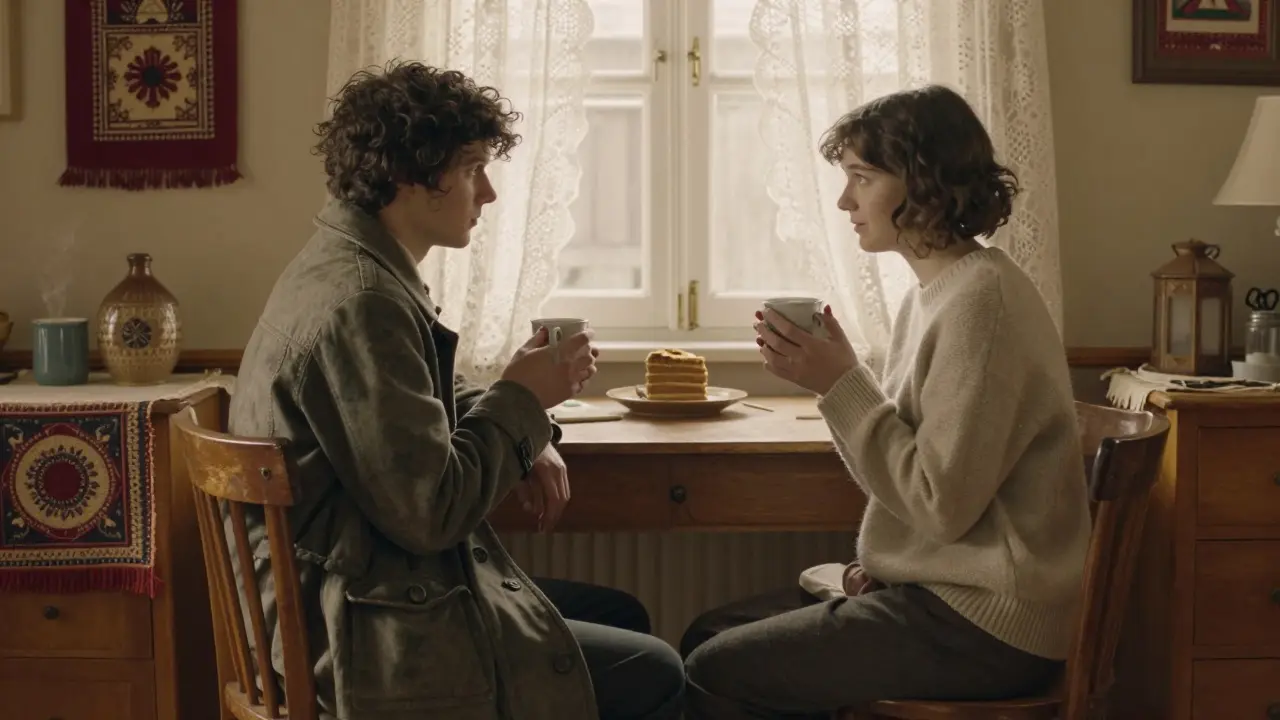
Peer podpora: Jak vzájemná pomoc lidí se zkušeností s duševní nemocí mění duševní zdraví v ČR
Peer podpora je vzájemná pomoc lidí se zkušeností s duševním onemocněním. V ČR se postupně začíná integrovat do systému péče. Zjistěte, jak funguje, kdo jsou peer konzultanti a proč je to důležité pro zotavení.
Číst více